Debugging Mockito: Risolvere l'errore "Wanted but not invoked" nei test dei plugin Gradle
Publié le 17 November 2024
- Introduzione
- Il contesto: Plugin Gradle Bakery
- Problema #1: Verificare il mock errato
- Problema #2 : UnfinishedStubbingException a cascata
- Problema #3: Il file di configurazione non esiste
- Problema #4 : afterEvaluate e NullPointerException
- La soluzione completa
- lezioni apprese
- Architettura di test finale
- Conclusione
- Risorse
Introduzione
Durante lo sviluppo del plugin GradlePanetteriaper il mio blog JBake, ho riscontrato un problema apparentemente semplice: un test unitario che falliva con l’errore`Wanted but not invoked`. Ciò che sembrava essere un banale errore si è rivelato un caso perfetto da manuale per comprendere le sfumature del mocking con Mockito e Kotlin.
In questo articolo, vi porto in un viaggio di debugging metodico, dove ogni soluzione rivela un nuovo problema, fino alla risoluzione finale.
Il contesto: Plugin Gradle Bakery
Il plugin Bakery è un wrapper attorno a JBake che facilita la pubblicazione di siti statici. Ecco la sua struttura semplificata:
class BakeryPlugin : Plugin<Project> {
    override fun apply(project: Project) {
        val extension = project.extensions.create(
            "bakery",
            BakeryExtension::class.java
        )

        project.afterEvaluate {
            if (!project.layout.projectDirectory.asFile
                    .resolve(extension.configPath.get()).exists()) {
                println("config file does not exists")
            } else {
                // C'EST ICI QUE ÇA SE PASSE
                project.plugins.apply(JBakePlugin::class.java)

                val site = FileSystemManager.from(project, extension.configPath.get())
                // Configuration de JBake...
            }
        }
    }
}
Il test che falliva era semplice :
@Test
fun `plugin applies jbake gradle plugin`() {
    val project = createMockProject()
    val plugin = BakeryPlugin()

    plugin.apply(project)

    verify(project.plugins).apply(JBakePlugin::class.java)
}
L’errore :
Wanted but not invoked:
pluginContainer.apply(class org.jbake.gradle.JBakePlugin);
Actually, there were zero interactions with this mock.
Problema #1: Verificare il mock errato
La diagnosi
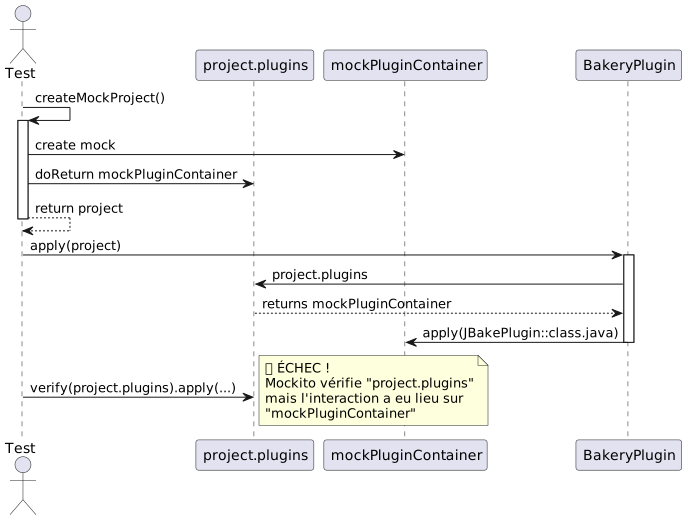
Il problema: Mockito non può tracciare le interazioni su`project.plugins`perché non è altro che un getter che restituisce il mock vero`mockPluginContainer`. La verifica deve essere fatta direttamente sull’istanza del mock.
La soluzione
Modifica`createMockProject()`per restituire i due oggetti :
private fun createMockProject(): Pair<Project, PluginContainer> {
    val mockPluginContainer = mock<PluginContainer>()
    val mockProject = mock<Project> {
        on { plugins } doReturn mockPluginContainer
    }
    return Pair(mockProject, mockPluginContainer)
}
E adattare il test :
@Test
fun `plugin applies jbake gradle plugin`() {
    val (project, mockPluginContainer) = createMockProject()
    val plugin = BakeryPlugin()

    plugin.apply(project)

    // ✅ Vérification directe sur le bon mock
    verify(mockPluginContainer).apply(JBakePlugin::class.java)
}
Problema #2 : UnfinishedStubbingException a cascata
La diagnosi
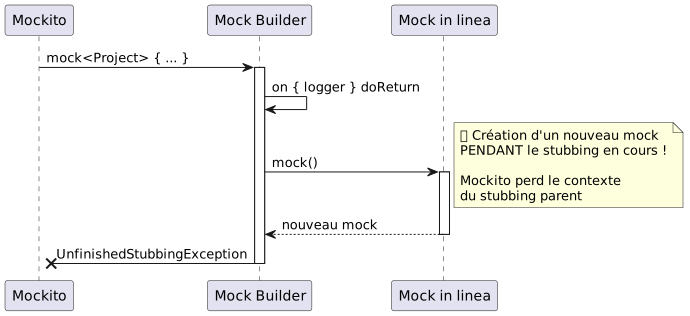
Una volta applicata la prima correzione, è comparsa un nuovo errore :
UnfinishedStubbingException:
Unfinished stubbing detected here
Hints:
 3. you are stubbing the behaviour of another mock inside
    before 'thenReturn' instruction is completed
Il codice problematico utilizzava la sintassi DSL di Mockito‑Kotlin:
val mockProject = mock<Project> {
    on { extensions } doReturn mockExtensionContainer
    on { plugins } doReturn mockPluginContainer
    on { logger } doReturn mock()  // ❌ PROBLÈME ICI !
}
La soluzione
crearetuttii mock fuori da ogni blocco di stubbing, quindi configurarli con`whenever()`:
private fun createMockProject(): Pair<Project, PluginContainer> {
    // 1️⃣ Créer TOUS les mocks d'abord
    val mockPluginContainer = mock<PluginContainer>()
    val mockExtensionContainer = mock<ExtensionContainer>()
    val mockLogger = mock<org.gradle.api.logging.Logger>()
    val mockProject = mock<Project>()

    // 2️⃣ Configurer les mocks séparément avec whenever()
    whenever(mockProject.plugins).thenReturn(mockPluginContainer)
    whenever(mockProject.extensions).thenReturn(mockExtensionContainer)
    whenever(mockProject.logger).thenReturn(mockLogger)

    return Pair(mockProject, mockPluginContainer)
}|
regola d’oro: Non chiamare mai`mock()`All’interno di un blocco di configurazione dei mock. Sempre creare i mock per primi, poi configurarli. |
Problema #3: Il file di configurazione non esiste
La diagnosi
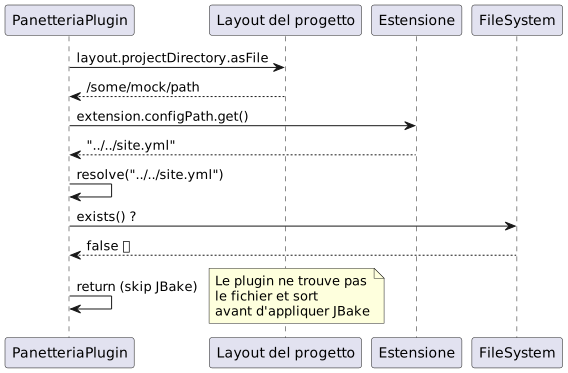
Anche con i mock corretti, il test falliva sempre perché il plugin non trovava il file di configurazione:
// Dans BakeryPlugin.kt
if (!project.layout.projectDirectory.asFile
        .resolve(extension.configPath.get()).exists()) {
    println("config file does not exists")
    return@afterEvaluate  // ❌ Sort avant d'appliquer JBake !
}
La soluzione
Configurare i mock affinché la risoluzione del percorso funzioni:
private fun createMockProject(): Pair<Project, PluginContainer> {
    // ... autres mocks ...

    val configFile = File("../../site.yml").canonicalFile
    val projectDir = configFile.parentFile

    // Configuration cohérente des chemins
    whenever(mockConfigPathProperty.get()).thenReturn("site.yml")
    whenever(mockProjectDirectory.asFile).thenReturn(projectDir)

    // Maintenant : projectDir.resolve("site.yml") existe ! ✅
}
Problema #4 : afterEvaluate e NullPointerException
La diagnosi
Il plugin applica JBake in un bloc`afterEvaluate`, e accede a`buildDirectory.dir()`:
project.afterEvaluate {
    // ...
    project.tasks.withType(JBakeTask::class.java)
        .getByName("bake").apply {
            output = project.layout.buildDirectory
                .dir(site.bake.destDirPath)  // ❌ NPE ici !
                .get()
                .asFile
        }
}
Il mock di`buildDirectory.dir()ritornava`null.
La soluzione
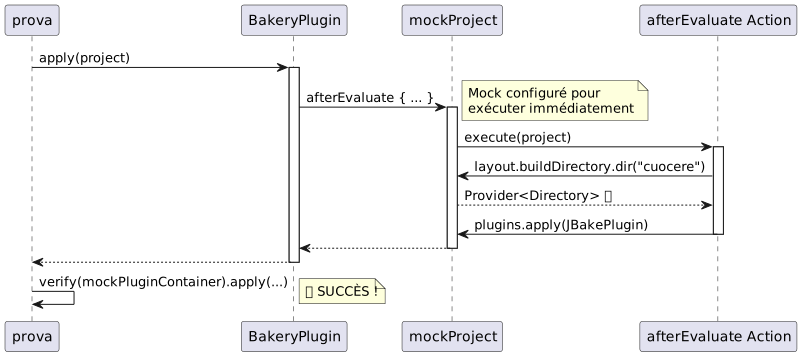
deridere`afterEvaluate`affinché venga eseguito immediatamente e configurare completamente`buildDirectory`:
private fun createMockProject(): Pair<Project, PluginContainer> {
    // ... autres mocks ...

    val mockBuildDirectory = mock<DirectoryProperty>()
    val buildDir = File(projectDir, "build")

    // Mocker dir() pour retourner un Provider valide
    whenever(mockBuildDirectory.dir(any<String>())).doAnswer { invocation ->
        val path = invocation.arguments[0] as String
        val mockDirProvider = mock<Provider<Directory>>()
        val mockDir = mock<Directory>()

        whenever(mockDir.asFile).thenReturn(File(buildDir, path))
        whenever(mockDirProvider.get()).thenReturn(mockDir)

        mockDirProvider
    }

    // Mocker afterEvaluate pour exécution immédiate
    whenever(mockProject.afterEvaluate(any<Action<Project>>())).doAnswer { invocation ->
        val action = invocation.arguments[0] as Action<Project>
        action.execute(mockProject)  // ✅ Exécution synchrone
        null
    }

    return Pair(mockProject, mockPluginContainer)
}
La soluzione completa
Ecco la funzione`createMockProject()`finale, che risolve tutti i problemi :
private fun createMockProject(): Pair<Project, PluginContainer> {
    // 1️⃣ CRÉER tous les mocks (pas de nested mocks !)
    val mockPluginContainer = mock<PluginContainer>()
    val mockExtensionContainer = mock<ExtensionContainer>()
    val mockLogger = mock<org.gradle.api.logging.Logger>()
    val mockTaskContainer = mock<TaskContainer>()
    val mockConfigPathProperty = mock<Property<String>>()
    val mockBakeryExtension = mock<BakeryExtension>()
    val mockProjectDirectory = mock<Directory>()
    val mockBuildDirectory = mock<DirectoryProperty>()
    val mockProjectLayout = mock<ProjectLayout>()
    val mockProject = mock<Project>()

    // 2️⃣ CONFIGURER la résolution des chemins
    val configFile = File("../../site.yml").canonicalFile
    val projectDir = configFile.parentFile
    val buildDir = File(projectDir, "build")

    whenever(mockConfigPathProperty.get()).thenReturn("site.yml")
    whenever(mockConfigPathProperty.isPresent).thenReturn(true)
    whenever(mockBakeryExtension.configPath).thenReturn(mockConfigPathProperty)
    whenever(mockProjectDirectory.asFile).thenReturn(projectDir)

    // 3️⃣ CONFIGURER buildDirectory avec dir()
    whenever(mockBuildDirectory.dir(any<String>())).doAnswer { invocation ->
        val path = invocation.arguments[0] as String
        val mockDirProvider = mock<Provider<Directory>>()
        val mockDir = mock<Directory>()
        whenever(mockDir.asFile).thenReturn(File(buildDir, path))
        whenever(mockDirProvider.get()).thenReturn(mockDir)
        mockDirProvider
    }

    // 4️⃣ ASSEMBLER le projet
    whenever(mockProjectLayout.projectDirectory).thenReturn(mockProjectDirectory)
    whenever(mockProjectLayout.buildDirectory).thenReturn(mockBuildDirectory)

    whenever(mockExtensionContainer.create("bakery", BakeryExtension::class.java))
        .thenReturn(mockBakeryExtension)
    whenever(mockExtensionContainer.getByType(BakeryExtension::class.java))
        .thenReturn(mockBakeryExtension)

    whenever(mockProject.extensions).thenReturn(mockExtensionContainer)
    whenever(mockProject.plugins).thenReturn(mockPluginContainer)
    whenever(mockProject.tasks).thenReturn(mockTaskContainer)
    whenever(mockProject.layout).thenReturn(mockProjectLayout)
    whenever(mockProject.logger).thenReturn(mockLogger)
    whenever(mockProject.projectDir).thenReturn(projectDir)

    // 5️⃣ CONFIGURER afterEvaluate pour exécution immédiate
    whenever(mockProject.afterEvaluate(any<Action<Project>>())).doAnswer { invocation ->
        val action = invocation.arguments[0] as Action<Project>
        action.execute(mockProject)
        null
    }

    return Pair(mockProject, mockPluginContainer)
}
E il test finale che passa :
@Test
fun `plugin applies jbake gradle plugin`() {
    val (project, mockPluginContainer) = createMockProject()
    val plugin = BakeryPlugin()

    plugin.apply(project)

    verify(mockPluginContainer).apply(JBakePlugin::class.java) // ✅ SUCCÈS !
}
lezioni apprese
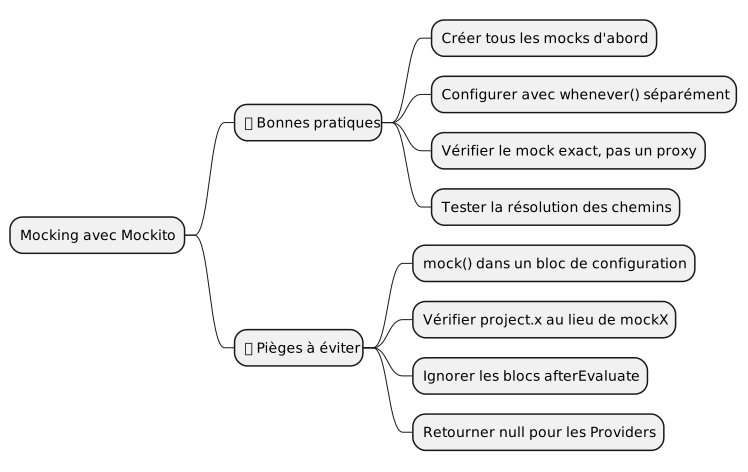
1. Verificare il mock corretto
// ❌ FAUX
verify(project.plugins).apply(JBakePlugin::class.java)

// ✅ CORRECT
val (project, mockPluginContainer) = createMockProject()
verify(mockPluginContainer).apply(JBakePlugin::class.java)
2. Evitare i mock annidati
// ❌ FAUX - UnfinishedStubbingException
val mockProject = mock<Project> {
    on { logger } doReturn mock()  // Nested mock creation !
}

// ✅ CORRECT - Créer séparément
val mockLogger = mock<org.gradle.api.logging.Logger>()
val mockProject = mock<Project>()
whenever(mockProject.logger).thenReturn(mockLogger)
3. Mockare i callback di valutazione
// ✅ afterEvaluate doit s'exécuter pour les tests
whenever(mockProject.afterEvaluate(any())).doAnswer { invocation ->
    val action = invocation.arguments[0] as Action<Project>
    action.execute(mockProject)
    null
}
4. Testare la risoluzione dei percorsi
// Toujours vérifier que les chemins se résolvent correctement
val extension = project.extensions.getByType(BakeryExtension::class.java)
val configPath = extension.configPath.get()
val projectDir = project.layout.projectDirectory.asFile
val resolvedConfig = projectDir.resolve(configPath)

println("Resolved config: ${resolvedConfig.absolutePath}")
println("Exists: ${resolvedConfig.exists()}")
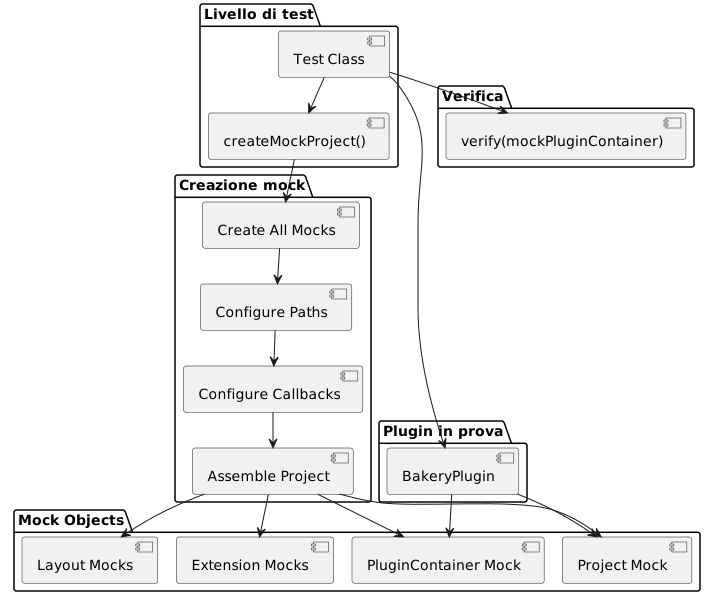
Architettura di test finale
Conclusione
Ciò che sembrava essere un semplice problema di prova si è rivelato essere un eccellente caso di studio :
-
Le sfumature di Mockito con Kotlin
-
L’importanza di mockare gli oggetti corretti
-
La gestione delle callback asincrone nei test
-
La risoluzione dei percorsi nei plugin Gradle
Il debug metodico, comprendendo ogni livello del problema, ha permesso di arrivare a una soluzione robusta e mantenibile.
|
Consiglio per i tuoi test: Se incontri "Wanted but not invoked" con Mockito, chiediti sempre : 1. Sto verificando il mock corretto ? 2. Tutti i miei mock sono creati fuori dai blocchi di configurazione? 3. I miei callback si eseguono davvero? 4. I miei percorsi si risolvono correttamente? |
Risorse
Hai riscontrato problemi simili nei tuoi test? Condividi la tua esperienza nei commenti!
Articoli correlati
14 May 2026